
Revolutionizing Agriculture: Cost-Effective Drying Solutions

Agriculture is the backbone of many economies around the world. As the global population continues to grow, the demand for food increases. Farmers are constantly looking for ways to improve their yields and reduce costs. One area that has seen significant innovation is drying solutions. Effective drying methods can preserve crops, reduce spoilage, and ultimately save money. In this post, we will explore cost-effective drying solutions that are revolutionizing agriculture.
The Importance of Drying in Agriculture
Drying is a crucial step in the post-harvest process. It helps to reduce moisture content in crops, which can prevent spoilage and extend shelf life. Proper drying can also enhance the quality of the produce. For example, grains that are dried correctly have a lower risk of mold and pests.
Farmers often face challenges when it comes to drying their crops. Traditional methods can be time-consuming and expensive. This is where innovative drying solutions come into play. By adopting new technologies, farmers can improve efficiency and reduce costs.
Traditional Drying Methods
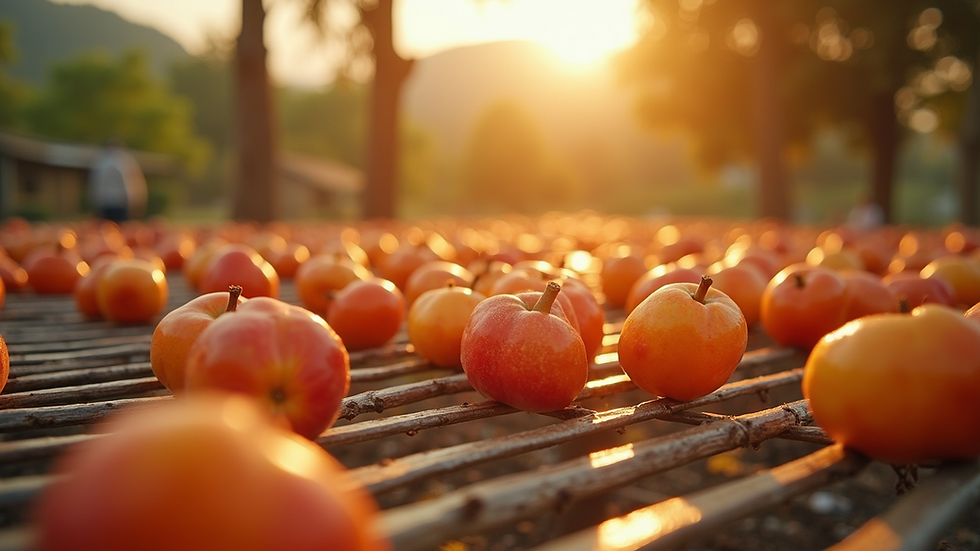
Before we dive into modern solutions, it is essential to understand traditional drying methods. Many farmers still rely on sun drying, which involves spreading crops out in the sun to dry naturally. While this method is low-cost, it is highly dependent on weather conditions. Rain or humidity can ruin the drying process, leading to losses.
Another common method is air drying, where crops are placed in a well-ventilated area. This method is also inexpensive but can take a long time. Additionally, it may not be suitable for all types of crops.
Innovative Drying Technologies
Solar Dryers
One of the most promising cost-effective drying solutions is the solar dryer. These devices use solar energy to heat air, which is then circulated around the crops. Solar dryers can significantly reduce drying time compared to traditional methods.
Benefits of Solar Dryers:
Cost-effective: Once installed, solar dryers have low operating costs since they rely on free solar energy.
Environmentally friendly: They reduce reliance on fossil fuels and lower carbon emissions.
Improved quality: Solar dryers can provide a controlled environment, reducing the risk of spoilage.
Mechanical Dryers
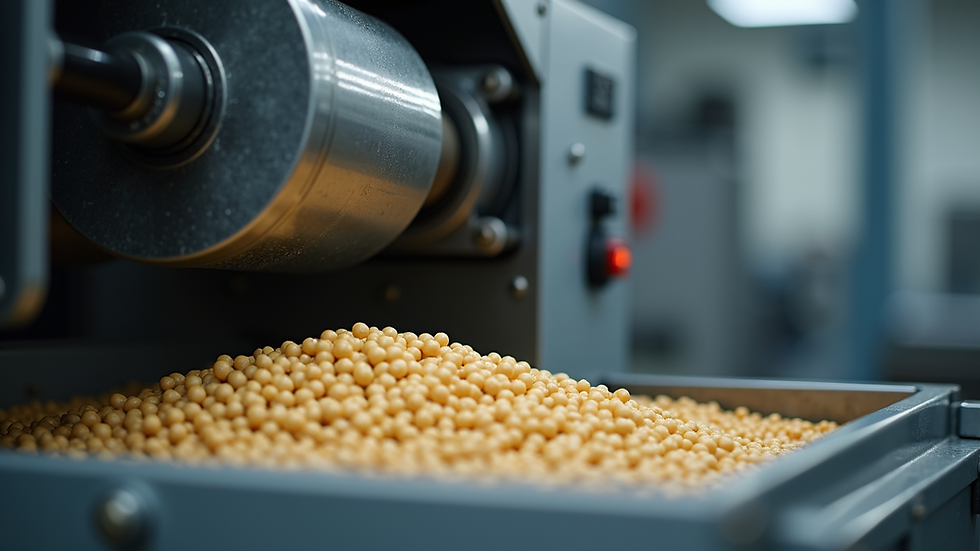
Mechanical dryers are another option for farmers looking to improve their drying processes. These machines use electricity or fuel to heat air and remove moisture from crops. While the initial investment can be higher, mechanical dryers can save time and labor in the long run.
Advantages of Mechanical Dryers:
Speed: They can dry crops much faster than traditional methods.
Consistency: Mechanical dryers provide uniform drying, which can enhance the quality of the produce.
Versatility: They can be used for various crops, making them suitable for different farming operations.
Hybrid Drying Solutions
Hybrid drying solutions combine traditional and modern methods to optimize the drying process. For example, some farmers use solar dryers during the day and switch to mechanical dryers at night. This approach maximizes efficiency and minimizes energy costs.
Key Features of Hybrid Drying Solutions:
Flexibility: Farmers can adapt their drying methods based on weather conditions and crop types.
Cost savings: By using solar energy during the day, farmers can reduce their reliance on electricity or fuel.
Enhanced quality: Combining methods can lead to better preservation of nutrients and flavors in crops.
Case Studies: Successful Implementations
Case Study 1: A Small-Scale Farmer
In a rural area, a small-scale farmer decided to invest in a solar dryer. After installing the dryer, he noticed a significant reduction in drying time for his fruits. The quality of the dried fruits improved, leading to higher sales prices. The farmer reported that the initial investment paid off within a year due to increased profits.
Case Study 2: A Cooperative
A cooperative of grain farmers adopted mechanical dryers to streamline their operations. By pooling resources, they were able to purchase a high-capacity dryer. This investment allowed them to dry their grains quickly and consistently. As a result, they reduced spoilage and improved their market competitiveness.
Challenges and Considerations
While innovative drying solutions offer many benefits, there are challenges to consider.
Initial Investment
The upfront cost of solar or mechanical dryers can be a barrier for some farmers. However, it is essential to view this as a long-term investment. The savings in labor and increased crop quality can offset the initial costs over time.
Training and Maintenance
Farmers may need training to operate new drying technologies effectively. Regular maintenance is also crucial to ensure the longevity of the equipment.
The Future of Drying Solutions
As technology continues to advance, we can expect even more innovative drying solutions to emerge. Research is ongoing to develop more efficient and cost-effective methods.
Smart Drying Systems
One exciting development is the rise of smart drying systems. These systems use sensors and data analytics to monitor moisture levels and adjust drying conditions automatically. This technology can optimize the drying process and reduce energy consumption.
Sustainable Practices
Sustainability is becoming increasingly important in agriculture. Future drying solutions will likely focus on minimizing environmental impact while maximizing efficiency.
Final Thoughts
The world of agriculture is changing rapidly, and drying solutions are at the forefront of this revolution. By adopting cost-effective drying methods, farmers can improve their yields, reduce waste, and enhance the quality of their crops.
As we look to the future, it is clear that innovation will play a vital role in shaping the agricultural landscape. Embracing new technologies and practices will not only benefit farmers but also contribute to global food security.
Farmers who invest in modern drying solutions today will be better equipped to meet the challenges of tomorrow. The journey towards revolutionizing agriculture is just beginning, and the possibilities are endless.

Comments