
Eco-Friendly Pellet Making Machines for Sustainable Farming

In today's world, sustainability is more than just a buzzword. It is a necessity. As we face climate change and environmental degradation, farmers are looking for ways to make their practices more eco-friendly. One innovative solution is the use of pellet making machines. These machines help convert agricultural waste into useful pellets, promoting sustainable farming practices.
This blog post will explore the benefits of eco-friendly pellet making machines, how they work, and their impact on sustainable farming.
What Are Pellet Making Machines?
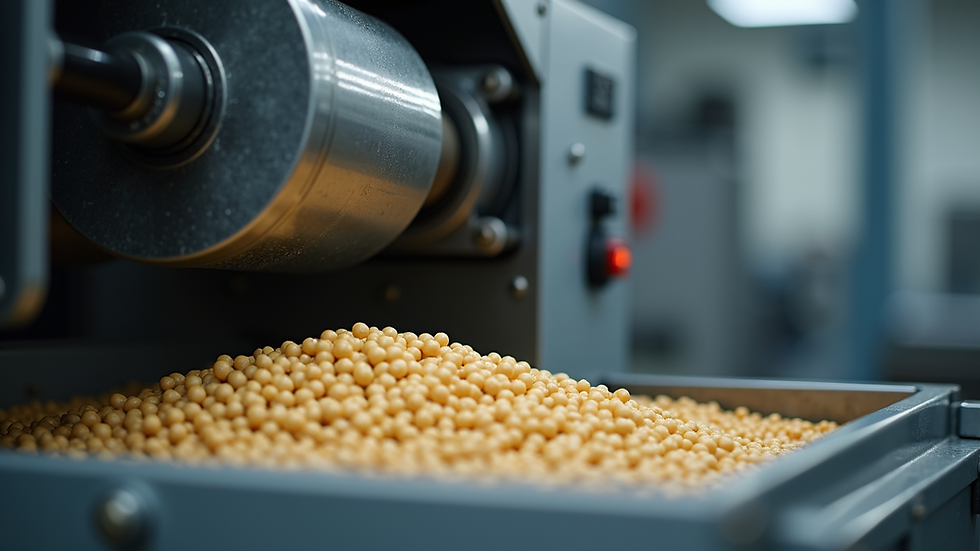
Pellet making machines are devices that compress biomass materials into small, dense pellets. These materials can include agricultural waste, wood chips, and other organic matter. The process involves grinding the raw materials, drying them, and then compressing them into pellets.
These machines come in various sizes and capacities, making them suitable for both small farms and large agricultural operations.
Benefits of Using Pellet Making Machines
1. Waste Reduction
One of the most significant benefits of pellet making machines is their ability to reduce waste. Farmers often have large amounts of agricultural waste, such as straw, corn stalks, and sawdust. Instead of burning or discarding this waste, farmers can convert it into pellets.
This not only reduces waste but also provides a valuable resource that can be used for animal feed, fuel, or even as a soil amendment.
2. Cost-Effective
Investing in a pellet making machine can be cost-effective in the long run. By converting waste into pellets, farmers can save money on feed and fuel costs.
Additionally, selling excess pellets can provide an additional income stream. This is especially beneficial for small-scale farmers who may struggle to make ends meet.
3. Improved Soil Health
Using pellets as a soil amendment can improve soil health. When pellets are added to the soil, they break down and release nutrients. This can enhance soil fertility and promote healthy plant growth.
Moreover, using organic materials helps maintain soil structure and moisture levels, which is crucial for sustainable farming.
4. Renewable Energy Source
Pellets can also be used as a renewable energy source. When burned, they produce less carbon dioxide compared to fossil fuels. This makes them an eco-friendly alternative for heating and energy production.
Farmers can use their own pellets to power their operations, reducing reliance on non-renewable energy sources.
5. Versatility
Pellet making machines are versatile. They can process various types of biomass, making them suitable for different farming operations.
Whether you are a livestock farmer looking to create animal feed or a crop farmer wanting to improve soil health, there is a pellet making machine that can meet your needs.
How Do Pellet Making Machines Work?
Step 1: Material Preparation
The first step in the pellet-making process is preparing the raw materials. This involves grinding the biomass into smaller pieces. The size of the particles is crucial, as it affects the quality of the pellets.
Step 2: Drying
After grinding, the materials need to be dried. Moisture content should be around 10-15% for optimal pellet production. If the materials are too wet, the pellets may not hold together properly.
Step 3: Pelletizing
Once the materials are prepared and dried, they are fed into the pellet making machine. The machine compresses the biomass through a die, forming pellets.
The pressure and heat generated during this process help bind the materials together, creating strong and durable pellets.
Step 4: Cooling and Packaging
After pelletizing, the pellets are hot and need to be cooled. This is typically done using a cooling system. Once cooled, the pellets can be packaged for storage or sale.
Choosing the Right Pellet Making Machine
When selecting a pellet making machine, there are several factors to consider:
Capacity: Determine how much biomass you need to process. Choose a machine that can handle your production needs.
Type of Biomass: Ensure the machine can process the specific type of biomass you have available.
Budget: Consider your budget and look for machines that offer the best value for your investment.
Ease of Use: Look for machines that are user-friendly and require minimal maintenance.
Real-World Examples of Pellet Making Machines in Action
Case Study 1: Small-Scale Farmer
A small-scale farmer in rural America invested in a pellet making machine to utilize leftover corn stalks from his harvest. By converting this waste into pellets, he was able to create a nutritious animal feed for his livestock.
Not only did this reduce waste, but it also saved him money on feed costs. He even started selling excess pellets to neighboring farms, creating a new income stream.
Case Study 2: Organic Farm
An organic farm in Europe adopted pellet making technology to enhance soil health. They used leftover plant materials to create organic pellets, which they added to their fields.
The result was improved soil fertility and healthier crops. The farm also marketed their organic pellets to other farmers, promoting sustainable practices in their community.
The Future of Sustainable Farming
As the world continues to face environmental challenges, the need for sustainable farming practices will only grow. Eco-friendly pellet making machines offer a practical solution for farmers looking to reduce waste and promote sustainability.
By investing in these machines, farmers can not only improve their operations but also contribute to a healthier planet.
Final Thoughts
Eco-friendly pellet making machines are more than just tools; they are a step towards a more sustainable future. By reducing waste, saving costs, and improving soil health, these machines play a vital role in modern farming.
As more farmers adopt these practices, we can look forward to a greener, more sustainable agricultural landscape.

Comments